Narrative Intelligence
Custom analysis and
insight delivery.
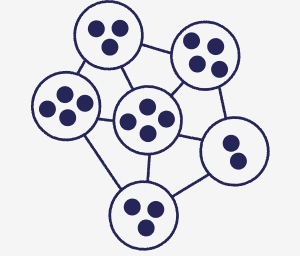
Our keep your narrative map current. We identify the frames and communities shaping your field, track how they change, and deliver research your team can act on.
 Language
 Frames
 Communities
 A defined research scope
- Agree the questions, sources, and narrative space to study. We set up and run the collection and analysis pipelines.
 Ongoing narrative mapping
- Identify recurring frames, metaphors, and beliefs; track where they harden or shift. Map the communities carrying them, their relationships and influence, and where an intervention could matter.
 A briefing every two weeks
- Receive findings and their implications for your decisions. Foundations can share this intelligence with grantee organisations.
 Support to act on the findings
- Add training to help your team use the research, or commission a strategy for a campaign, repositioning, or messaging challenge. Each is scoped and quoted separately.
Minimum three months, with the option to continue on retainer.
Designing a narrative intervention.
Use the analysis to design a response to a specific narrative challenge. Move from listening and mapping to organising, prototyping, and measuring the response. What you learn informs the next intervention.
Scroll to explore, or select a stage below
Build the listening model.
Set the research question and sources. Configure ’s collection and language-analysis pipelines to identify recurring frames and the narrative communities that carry them. Knowledge graphs and dashboards track their relationships.
Read the narrative terrain.
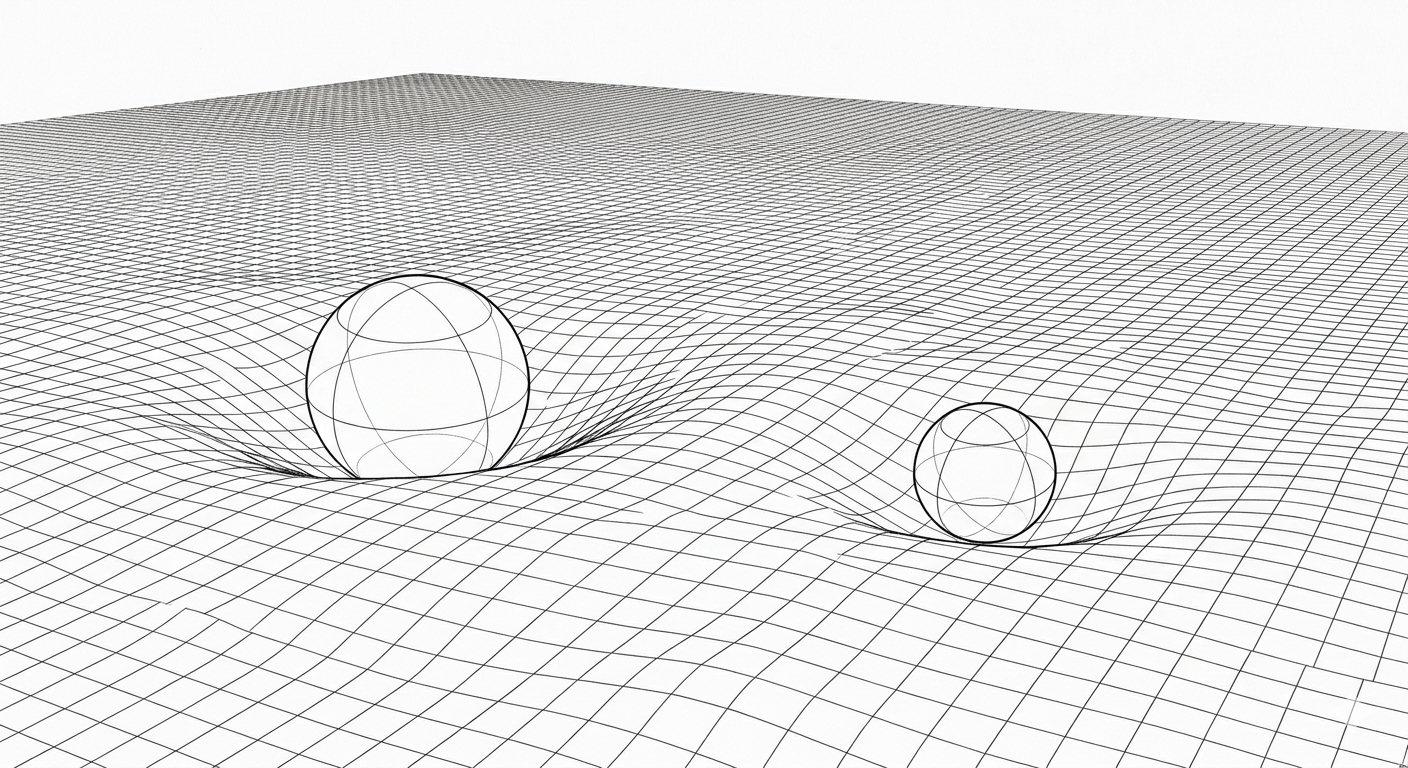
Map communities, frames, and relationships. Narrative gravity tracks changes in power between communities: whose meaning shapes the space, and where an intervention could matter.
Make sense of it together.
Work with people near the intervention point to interpret the research. Agree on the narrative shift to test, the audience, and the people who will develop and carry the work.
Put a reframe to the test.
Design a campaign, message, or other intervention around a clear hypothesis. Specify the medium, timing, and signals that will tell you how people respond.
Read the response.
Return to listening.
Compare the response with the hypothesis. Track changes in language, relationships, and power over time. Use what you learn to revise the prototype, the objective, or the listening model.



Narrative Strategy Design and custom tool development are scoped separately. Either can be commissioned as a standalone project.
Discuss your research.
Tell us which system you work in, the narrative questions you need to answer, and how your team will use the findings.